How to Build a Manufacturer Website That Actually Works
When someone searches for a manufacturer online, they are usually looking for something specific: a product range, a technical specification, a lead time, or a way to get in touch. A website that buries this information under slow-loading pages, cluttered navigation, or vague copy will lose that visitor in seconds. For manufacturers, the stakes are higher than for many other businesses because the buying cycle is longer and the decision often involves multiple people. A well-designed site does not just look good; it helps potential customers move from curiosity to enquiry with as little friction as possible.
Manufacturing companies often assume that a website is just a digital brochure. They upload a few product images, write a short description of each, and call it done. But a modern manufacturer website needs to do more. It needs to communicate credibility, showcase technical capability, and answer practical questions before a visitor ever picks up the phone. It also needs to be easy to maintain, because a site that goes stale hurts trust more than having no site at all. web design for manufacturers
Start With the Buyer in Mind
Before any design decisions are made, it helps to think about who will be using the site. A manufacturer may serve several types of buyers: engineers who need detailed specs, purchasing managers who want pricing or lead times, and business owners evaluating a potential supplier. Each of these visitors has a different goal. The site structure should let each person find what they need quickly, without forcing them to dig through irrelevant content.
One way to approach this is to create clear paths for different user types. A prominent navigation menu can offer separate sections for products, technical resources, and company information. Within the product section, each item should have a clear name, a high-quality image, and a concise list of key specifications. Avoid long paragraphs of marketing language; buyers in manufacturing tend to scan for facts. If the product has certifications, tolerances, or material details, show them plainly.
Show, Don't Just Tell
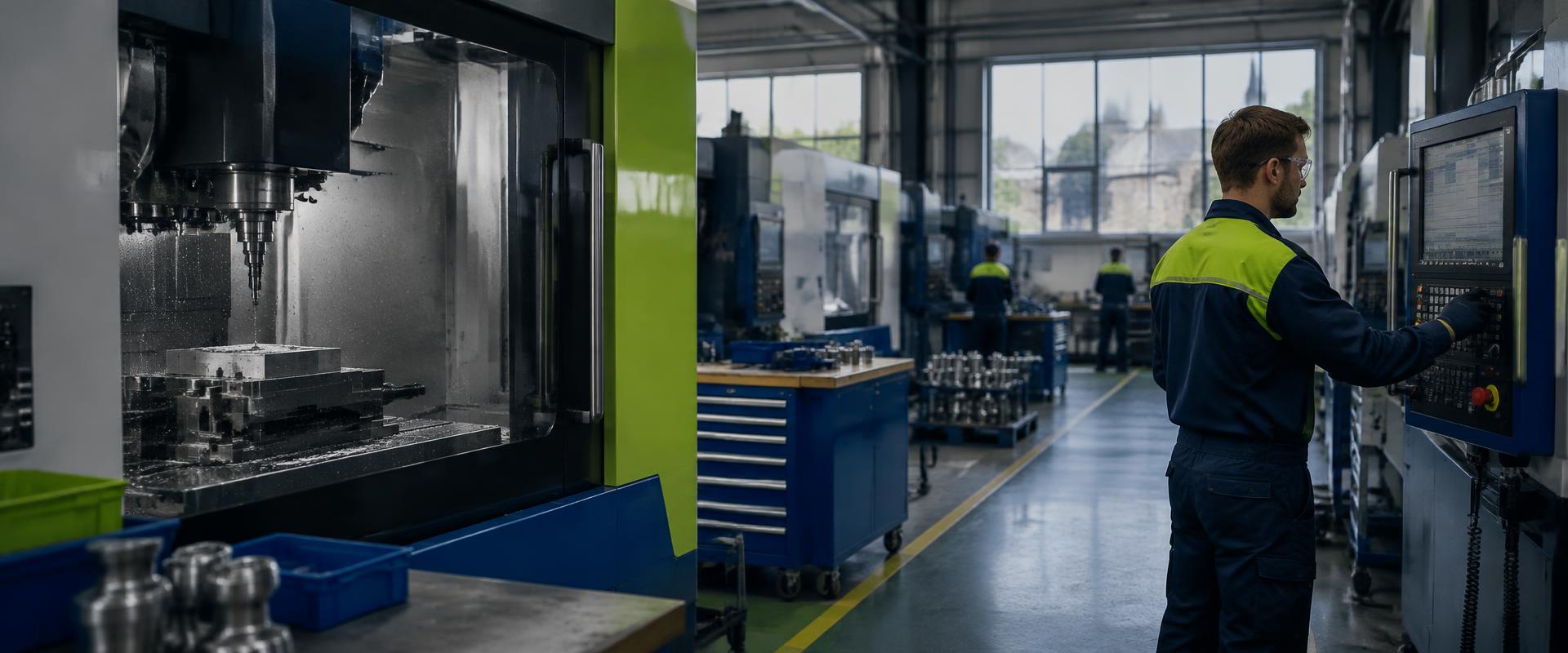
Manufacturing is a visual industry. People want to see the quality of the work, the size of the facility, and the precision of the equipment. Photographs of finished products are essential, but so are images of the production process. A photo of a CNC machine cutting a component, or a worker inspecting a weld, gives the visitor confidence that the manufacturer has real capability. Videos can be even more effective, especially if they show a product in use or walk through a production line.
However, images and videos must be optimised for the web. Large files slow down page loading, and a slow site drives visitors away. Compress images without sacrificing clarity, and host videos on a platform that streams efficiently. A page that takes more than a few seconds to load may lose half its visitors before they see a single photo.

Make Contact the Goal
Every page on a manufacturer website should nudge the visitor toward a conversation. That does not mean plastering contact forms everywhere. It means placing a clear call to action in a logical spot. On a product page, a button that says "Request a quote" or "Speak to an engineer" works well. On the homepage, a phone number and a short enquiry form should be easy to find without scrolling.
Contact forms should ask for only the information needed to start a conversation: name, company, email, and a brief message. Long forms with many fields discourage submissions. Once a lead comes in, the manufacturer needs to respond quickly. A site that generates enquiries but has no process for handling them is wasted effort.
Build Trust Through Transparency
Manufacturers often deal with buyers who are cautious. A bad supplier can cause production delays, quality issues, or safety problems. A website can help reduce that hesitation by being transparent about the company's capabilities and limits. Publish an about page that explains the history of the business, the type of equipment used, and the industries served. If the company holds certifications such as ISO 9001, display them prominently with the certifying body and validity date.
Case studies are another powerful trust builder. A short description of a problem a client had, how the manufacturer solved it, and what the outcome was can be more persuasive than any sales pitch. If possible, include a quote from the client (with permission). But do not invent case studies; real examples, even small ones, carry more weight than fictional success stories.
Testimonials from existing customers also help. A few short, specific statements about quality, delivery, or service can reassure a new buyer. Place them on the homepage or on a dedicated testimonials page. Avoid generic praise like "great company"; specific remarks about on-time delivery or technical support are more convincing.
Another element that builds confidence is a clear privacy policy and terms of service. Buyers who submit enquiries want to know their contact details will not be misused. A simple link to a privacy policy in the footer is enough.
Mobile Matters More Than You Think
Many manufacturing buyers research suppliers on their phones during site visits, at trade shows, or while travelling. A site that does not work well on a small screen will frustrate them. Mobile-friendly design means more than just text that reflows; it means buttons that are easy to tap, navigation that does not require zooming, and forms that are usable on a touchscreen. Test the site on several devices before launching. A mobile site that loads slowly or has broken layouts will lose potential leads.
Content That Answers Real Questions
A manufacturer website should include content that helps buyers make decisions. This could be a blog or a resources section with articles about material selection, design considerations, or common manufacturing challenges. The goal is not to sell directly, but to demonstrate expertise. When a potential buyer sees that a manufacturer understands their industry and can explain technical concepts clearly, they are more likely to trust them with an order.
For example, a precision machining company could write about the differences between aluminium alloys for aerospace applications, or a plastics manufacturer could explain how injection moulding works and what factors affect part cost. These articles should be written for a non-expert audience, avoiding jargon where possible, and should include practical advice. Over time, this kind of content can help the site rank for search terms that potential buyers are using, bringing in organic traffic without paid advertising.
Buzz Media Marketing ltd is also on Instagram.
An effective approach to web design for manufacturers involves balancing visual appeal with functional clarity. The site must look professional enough to represent the company well, but it must also be easy to navigate, fast to load, and straightforward to update. A manufacturer that invests in a site designed around the buyer's needs, rather than around the company's internal structure, will see better engagement and more qualified leads.
Plan for Ongoing Maintenance
A website is not a one-time project. Products change, certifications expire, and new case studies become available. A site that is not updated regularly looks neglected. Before building the site, consider who will be responsible for updates. If no one on the team has time to manage content, a content management system that is simple to use, or a maintenance plan with a local provider, can keep the site current without requiring technical skills.
Security updates are another ongoing concern. An outdated website can be vulnerable to hacking, which can harm the company's reputation and lead to downtime. Regular backups and software updates are essential. Many web design agencies offer maintenance packages that handle these tasks for a monthly fee. For a manufacturer, the cost of a maintenance plan is usually far less than the cost of recovering from a security breach or rebuilding a site that has been defaced.

Local Relevance Matters
For a manufacturer serving a specific region, local search visibility can be a valuable source of leads. Including the town or county name on the site, and listing the areas served, helps the site appear in local search results. A contact page with a physical address and phone number also helps. Google and other search engines use this information to match local searches with relevant businesses. A manufacturer based in Burnley, for instance, might attract customers from surrounding Lancashire areas who prefer a supplier they can visit or who values shorter transport distances.
The strategy of web design for manufacturers that focuses on local relevance can work well for small and medium-sized companies. It does not require a massive marketing budget; it just requires a site that clearly states who the company is, what it makes, and how to get in touch. Simplicity and clarity often outperform flashy design when the goal is to generate real business enquiries.
Buzz Media Marketing ltd, based at Unit 228, Northlight Industries, Pendle Rd, Brierfield, Nelson BB9 5FL, UK, can be reached at +44 1282 501535 for affordable web design, development, hosting and ongoing website care for businesses in Burnley and surrounding Lancashire areas.